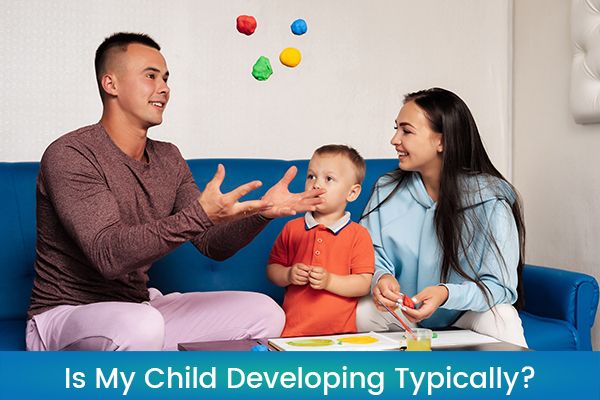
As a Parent, You Know Your Child Best
It’s natural to wonder if your child is meeting their milestones. While every child grows at their own pace, some signs may suggest the need for further support. The earlier we identify and respond to developmental differences, the greater the opportunity to support long-term success.
Developmental Milestones: What to Expect (Ages 0–4)
Here’s a general guide to key milestones in early development:
- By 12 months
Responds to name, babbles, points to objects, crawls or pulls to stand - By 18 months
Says several words, follows simple instructions, shows interest in people, starts walking - By 2 years
Uses 2–4 word phrases, plays simple pretend, begins to follow two-step directions - By 3 years
Speaks in sentences, plays with other children, shows emotions, follows routines - By 4 years
Tells stories, answers questions, draws simple shapes, cooperates with others
If your child is missing several of these, it might be time to look closer.
7 Early Signs That May Indicate a Developmental Concern
- Lack of eye contact or social smiles
- Delayed speech or limited babbling past 12–18 months
- Not responding to their name consistently
- Repetitive behaviours like hand flapping, spinning, or lining up toys
- Unusual attachment to routines or distress with minor changes
- Limited interest in peers or pretend play
- Regression — losing previously gained skills
Remember: noticing one or two of these does not mean something is wrong. But consistent concerns across several areas may warrant a professional opinion.
Why Early Intervention Matters
The first few years of life are when the brain is most adaptable. Research shows that early support — especially through evidence-based methods like Applied Behaviour Analysis (ABA) — leads to the best outcomes in:
- Communication
- Social interaction
- Emotional regulation
- Learning readiness
Early doesn’t mean rushed — it means responsive.
BASES Can Help You Navigate This Journey
At BASES, we specialise in supporting children with developmental differences — including Autism Spectrum Disorder (ASD) — using proven, personalised ABA strategies.
Here’s how we can help:
- Developmental Screening — We’ll help you understand whether your child’s development is within typical range or needs further assessment.
- Expert Guidance — Our team includes behaviour analysts with decades of experience.
- Family-Centred Planning — We create plans that work for your home, your routines, and your child.
- Support Without Pressure — You’ll never be pushed into a decision. We’re here to guide, not judge.


© Copyright 2026 | BASES - Behaviour Analytic Special Education Services